
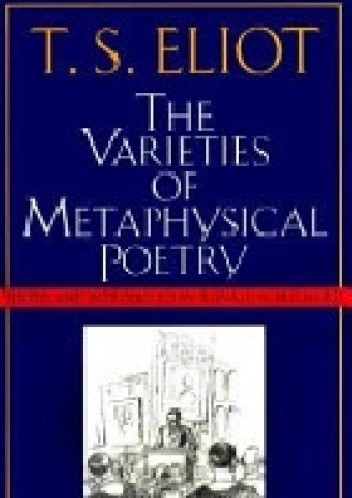
The Varieties of Metaphysical Poetry
While a student at Harvard in the early years of this century, T. S. Eliot immersed himself in the verse of Dante, Donne, and the nineteenth-century French poet Jules Laforgue. His study of the relation of thought and feeling in these poets later led Eliot, as a poet and critic in London, to formulate an original theory of the poetry generally termed "metaphysical" - philosophical and intellectual poetry that revels in startlingly unconventional imagery. Eliot came to perceive a gradual "disintegration of the intellect" following on three "metaphysical moments" of European civilization - the thirteenth, seventeenth, and nineteenth centuries. The theory is at once a provocative prism through which to view Western intellectual and literary history and an exceptional insight into Eliot's own intellectual development. For the first time ever, the eight Clark Lectures on metaphysical poetry that Eliot delivered at Trinity College in Cambridge in 1926, and their revision and extension for his three Turnbull Lectures at The Johns Hopkins University in Baltimore in 1933, are now being published in an annotated edition. They reveal in great depth the historical currents of poetry and philosophy that shaped Eliot's own metaphysical moment in the twentieth century.
Szczegóły
Rok wydania
1993
Liczba stron
343 str.
Wydawnictwo
Harcourt Brace
Język
angielski
Format
papier
Czas czytania
5 godz. 43 min.
Gatunek
publicystyka literacka, eseje
ISBN
9780151000968
Inne książki autora
Opinie czytelników
Oceń tę książkę
Oceniona książka trafi na półkę Przeczytane.
Dodaj „The Varieties of Metaphysical Poetry" do swojej półki
Załóż darmowe konto i miej swoje lektury, oceny oraz postępy w jednym miejscu. Dołącz do grona zadowolonych czytelników, którzy już wiedzą, co przeczytali i co chcą przeczytać.


Trzy półki czytelnicze
Przeczytane, Teraz czytam i Chcę przeczytać. Uporządkuj swoje książki w sekundy.
Oceny i recenzje
Skala 1-10, prywatne notatki, ulubione cytaty. Wracaj do swoich opinii kiedy chcesz.
Statystyki i wyzwania
Ustal roczny cel czytelniczy i obserwuj jak rośnie liczba przeczytanych stron.
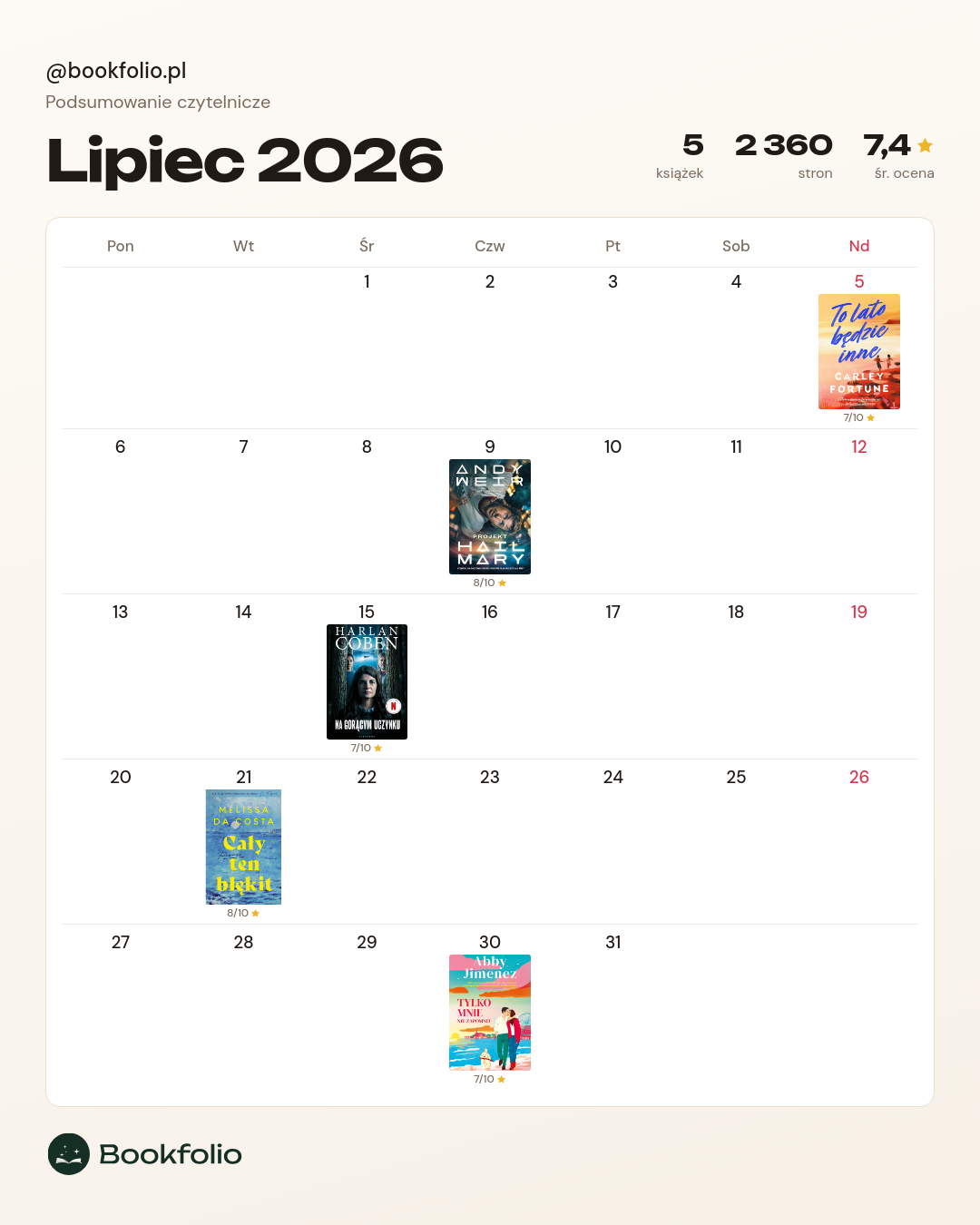
Rekomendacje i grafiki
Odkrywaj kolejne tytuły i generuj estetyczne podsumowania roku w książkach.