
Most first-time readers will have little difficulty working out the mystery of the assistant's identity. That's largely because all the communication links between the island, the imperial city, and the correspondent in England are spelled out in a way that draws attention to them. First published October 23, 1914 Joseph Conrad, original name Józef Teodor Konrad Korzeniowski, (born December 3, 1857, Berdichev, Ukraine, Russian Empire [now Berdychiv, Ukraine]--died August 3, 1924, Canterbury, Kent, England),English novelist and short-story writer of Polish descent, whose works include the novels Lord Jim (1900),Nostromo (1904),and The Secret Agent (1907) and the short story "Heart of Darkness" (1902). During his lifetime Conrad was admired for the richness of his prose and his renderings of dangerous life at sea and in exotic places. But his initial reputation as a masterful teller of colourful adventures of the sea masked his fascination with the individual when faced with nature's invariable unconcern, man's frequent malevolence, and his inner battles with good and evil. To Conrad, the sea meant above all the tragedy of loneliness. A writer of complex skill and striking insight, but above all of an intensely personal vision, he has been increasingly regarded as one of the greatest English novelists. Conrad's father, Apollo Nalęcz Korzeniowski, a poet and an ardent Polish patriot, was one of the organizers of the committee that went on in 1863 to direct the Polish insurrection against Russian rule. He was arrested in late 1861 and was sent into exile at Vologda in northern Russia. His wife and four-year-old son followed him there, and the harsh climate hastened his wife's death from tuberculosis in 1865. In A Personal Record Conrad relates that his first introduction to the English language was at the age of eight, when his father was translating the works of Shakespeare and Victor Hugo in order to support the household. In those solitary years with his father he read the works of Sir Walter Scott, James Fenimore Cooper, Charles Dickens, and William Makepeace Thackeray in Polish and French. Apollo was ill with tuberculosis and died in Kraków in 1869. Responsibility for the boy was assumed by his maternal uncle, Tadeusz Bobrowski, a lawyer, who provided his nephew with advice, admonition, financial help, and love. He sent Conrad to school at Kraków and then to Switzerland, but the boy was bored by school and yearned to go to sea. In 1874 Conrad left for Marseille with the intention of going to sea. Bobrowski made him an allowance of 2,000 francs a year and put him in touch with a merchant named Delestang, in whose ships Conrad sailed in the French merchant service. His first voyage, on the Mont-Blanc to Martinique, was as a passenger; on its next voyage he sailed as an apprentice. In July 1876 he again sailed to the West Indies, as a steward on the Saint-Antoine. On this voyage Conrad seems to have taken part in some unlawful enterprise, probably gunrunning, and to have sailed along the coast of Venezuela, memories of which were to find a place in Nostromo. The first mate of the vessel, a Corsican named Dominic Cervoni, was the model for the hero of that novel and was to play a picturesque role in Conrad's life and work.
Klimat książki
Głęboka, psychologiczna opowieść o naturze ludzkiej w izolowanym, egzotycznym otoczeniu, przesycona melancholią i refleksją nad moralnością.
W skrócie
- Wyraziste postacie
- Skłania do myślenia
- Mroczny klimat
- umiarkowane tempo
Tropy
- egzotyczna wyspa
- niepewna tożsamość
- konflikt wewnętrzny
Trudne tematy: przemoc, niepewność moralna
Szczegóły
- Data wydania
- 17 stycznia 2013
- Liczba stron
- 90 str.
- Wydawnictwo
- Creatspace
- Język
- angielski
- Format
- papier
- Gatunek
- klasyka
- ISBN
- 9781482001204
Inne książki autora
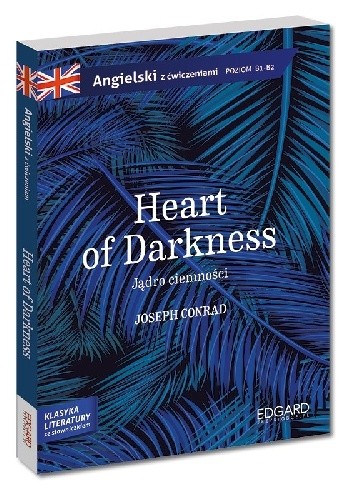
(92)
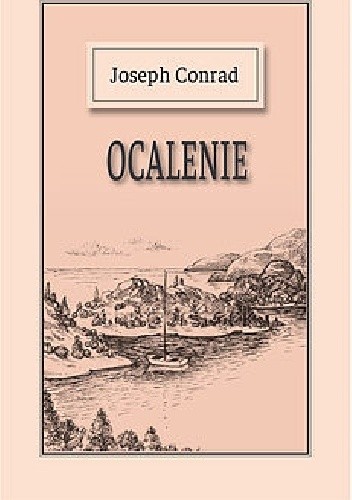
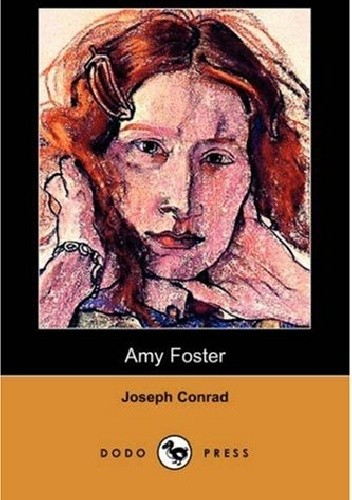
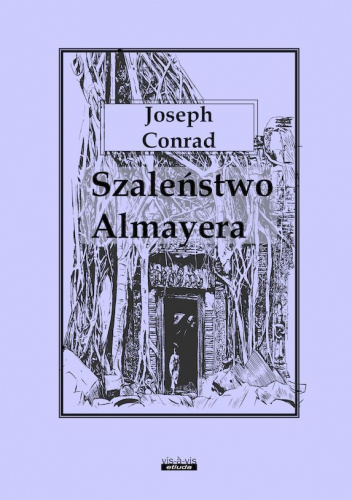
Opinie czytelników
Oceń tę książkę
Kiedy przeczytana?
Oceniona książka trafi na półkę Przeczytane.
Dodaj „The Planter of Malata" do swojej półki
Załóż darmowe konto i miej swoje lektury, oceny oraz postępy w jednym miejscu. Dołącz do grona zadowolonych czytelników, którzy już wiedzą, co przeczytali i co chcą przeczytać.
Trzy półki czytelnicze
Przeczytane, Teraz czytam i Chcę przeczytać. Uporządkuj swoje książki w sekundy.
Oceny i recenzje
Skala 1-10, prywatne notatki, ulubione cytaty. Wracaj do swoich opinii kiedy chcesz.
Statystyki i wyzwania
Ustal roczny cel czytelniczy i obserwuj jak rośnie liczba przeczytanych stron.
Rekomendacje i grafiki
Odkrywaj kolejne tytuły i generuj estetyczne podsumowania roku w książkach.