
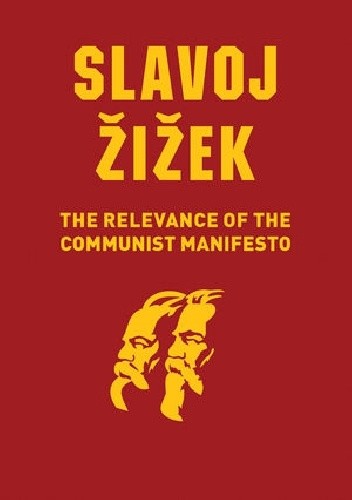
The Relevance of the Communist Manifesto
Slavoj Žižek
The Relevance of the Communist Manifesto
Slavoj Žižek
No other Marxist text has come close to achieving the fame and influence of The Communist Manifesto. Translated into over 100 languages, this clarion call to the workers of the world radically shaped the events of the twentieth century. But what relevance does it have for us today? In this slim book Slavoj Zizek argues that, while exploitation no longer occurs the way Marx described it, it has by no means disappeared; on the contrary, the profit once generated through the exploitation of workers has been transformed into rent appropriated through the privatization of the ‘general intellect’. Entrepreneurs like Bill Gates and Mark Zuckerberg have become extremely wealthy not because they are exploiting their workers but because they are appropriating the rent for allowing millions of people to participate in the new form of the ‘general intellect’ that they own and control. But, even if Marx’s analysis can no longer be applied to our contemporary world of global capitalism without significant revision, the fundamental problem with which he was concerned, the problem of the commons in all its dimensions – the commons of nature, the cultural commons, and the commons as the universal space of humanity from which no one should be excluded – remains as relevant as ever. This timely reflection on the enduring relevance of The Communist Manifesto will be of great value to everyone interested in the key questions of radical politics today.
Szczegóły
Rok wydania
2019
Liczba stron
70 str.
Wydawnictwo
Polity Press
Język
angielski
Format
papier
Gatunek
filozofia, etyka
ISBN
9781509536108
Inne książki autora
Opinie czytelników
Oceń tę książkę
Oceniona książka trafi na półkę Przeczytane.
Dodaj „The Relevance of the Communist Manifesto" do swojej półki
Załóż darmowe konto i miej swoje lektury, oceny oraz postępy w jednym miejscu. Dołącz do grona zadowolonych czytelników, którzy już wiedzą, co przeczytali i co chcą przeczytać.


Trzy półki czytelnicze
Przeczytane, Teraz czytam i Chcę przeczytać. Uporządkuj swoje książki w sekundy.
Oceny i recenzje
Skala 1-10, prywatne notatki, ulubione cytaty. Wracaj do swoich opinii kiedy chcesz.
Statystyki i wyzwania
Ustal roczny cel czytelniczy i obserwuj jak rośnie liczba przeczytanych stron.
Rekomendacje i grafiki
Odkrywaj kolejne tytuły i generuj estetyczne podsumowania roku w książkach.