
The Age of Aging: How Demographics are Changing the Global Economy and Our World
The Age of Aging: How Demographics are Changing the Global Economy and Our World
The year 2008 marks the beginning of the baby boomer retirement avalanche just as the different demographics in advanced and most developing countries are becoming more pronounced. People are worrying again that developments in global population trends, food supply, natural resource availability and climate change raise the question as to whether Malthus was right after all. The Age of Aging explores a unique phenomenon for mankind and, therefore, one that takes us into uncharted territory. Low birth rates and rising life expectancy are leading to rapid aging and a stagnation or fall in the number of people of working age in Western societies. Japan is in pole position but will be joined soon by other Western countries, and some emerging markets including China. The book examines the economic effects of aging, the main proposals for addressing the implications, and how aging societies will affect family and social structures, and the type of environment in which the baby-boomers' children will grow up. The contrast between the expected old age bulge in Western nations and the youth bulge in developing countries has important implications for globalization, and for immigration in Western countries - two topics already characterized by rising discontent or opposition. But we have to find ways of making both globalization and immigration work for all, for fear that failure may lead us down much darker paths. Aging also brings new challenges for the world to address in two sensitive areas, the politicization of religion and the management of international security. Governments and global institutions will have to take greater responsibilities to ensure that public policy responses are appropriate and measured. The challenges arising within aging societies, and the demographic contrasts between Western and developing countries make for a fractious world - one that is line with the much-debated 'decline of the West'. The book doesn't flinch from recognizing the ways in which this could become more visible, but also asserts that we can address demographic change effectively if governments and strengthened international institutions are permitted a larger role in managing change.
Klimat książki
Książka prezentuje szczegółową analizę demograficznego starzenia się społeczeństw oraz jego wpływu na gospodarkę, politykę i społeczeństwo. Autorzy łączą dane statystyczne z prognozami, podkreślając zarówno zagrożenia, jak i możliwości wynikające z tej zmiany. Styl jest rzeczowy, ale przystępny, z licznymi przykładami i rekomendacjami dla decydentów.
W skrócie
- Skłania do myślenia
- Dużo napięcia
- Rozbudowany świat
- umiarkowane tempo
Tropy
- analiza danych
- przewidywania trendów
- studium przypadków
- rozwiązania polityczne
Szczegóły
- Data wydania
- 1 października 2008
- Liczba stron
- 256 str.
- Wydawnictwo
- Wiley
- Język
- angielski
- Format
- papier
- Czas czytania
- 4 godz. 16 min.
- Gatunek
- biznes, finanse
- ISBN
- 9780470822913
Inne książki autora
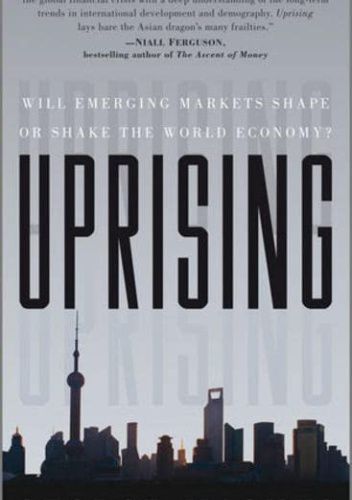
(3)

Opinie czytelników
Oceń tę książkę
Kiedy przeczytana?
Oceniona książka trafi na półkę Przeczytane.
Dodaj „The Age of Aging: How Demographics are Changing the Global Economy and Our World" do swojej półki
Załóż darmowe konto i miej swoje lektury, oceny oraz postępy w jednym miejscu. Dołącz do grona zadowolonych czytelników, którzy już wiedzą, co przeczytali i co chcą przeczytać.
Trzy półki czytelnicze
Przeczytane, Teraz czytam i Chcę przeczytać. Uporządkuj swoje książki w sekundy.
Oceny i recenzje
Skala 1-10, prywatne notatki, ulubione cytaty. Wracaj do swoich opinii kiedy chcesz.
Statystyki i wyzwania
Ustal roczny cel czytelniczy i obserwuj jak rośnie liczba przeczytanych stron.
Rekomendacje i grafiki
Odkrywaj kolejne tytuły i generuj estetyczne podsumowania roku w książkach.