
Paradise Lost: Smyrna 1922 - The Destruction of a Christian City in the Islamic World
Giles Milton
Paradise Lost: Smyrna 1922 - The Destruction of a Christian City in the Islamic World
Giles Milton
On Saturday, September 9th, 1922, the victorious Turkish cavalry rode into Smyrna, the richest and most cosmopolitan city in the Ottoman Empire. The city’s vast wealth had been created centuries earlier by powerful Levantine dynasties, and its factories teemed with Greeks, Armenians, Turks, and Jews. Together, they had created a majority Christian city that was unique in the Islamic world. But to the Turkish nationalists, Smyrna was a city of infidels. In Paradise Lost, best-selling author and journalist Giles Milton tells the largely unknown story of destruction of this extraordinarily heterogeneous, tolerant city—a disaster that would prefigure the coming clash of civilizations between East and West. In the aftermath of the First World War and with the support of the Great Powers, Greece had invaded Turkey with the aim of restoring a Christian empire in Asia. But by the summer of 1922, the Greeks had been vanquished by Atatürk’s armies after three years of warfare. As Greek troops retreated, the non-Muslim civilians of Smyrna assumed that American and European warships would intervene if and when the Turkish cavalry decided to enter the city. But this was not to be. The Turkish troops rampaged first through the Armenian quarter, and then throughout the rest of the city. They looted homes, raped women, and murdered untold thousands. Turkish soldiers were seen dousing buildings with petroleum. Soon, all but the Turkish quarter of the city was in flames and half a million refugees crowded the waterfront, desperate to escape. Twenty-one allied battleships were anchored in the harbor—their captains under strict orders not to rescue the Greek and Armenian men, women, and children who were being tortured, raped, and killed before their eyes. The city burned for four days; by the time the embers cooled, more than 100,000 people had been killed and millions left homeless. Unfolding through eyewitness accounts and the memories of survivors, many interviewed for the first time, Paradise Lost offers a vivid narrative account of one of the most vicious military catastrophes of the modern age. --- The Turkish cavalry presented a magnificent spectacle as it cantered along the waterfront. The horsemen sat high in their saddles, their scimitars unsheathed and glinting in the sun. On their heads they wore black Circassian fezzes adorned with the crescent and star. As they rode, they cried out Korkma! Korkma! “Fear not! Fear not!” There were dark predictions of a return to the days of old, when conquering Islamic armies were sanctioned three days of pillage following the capture of a resisting city. Yet there had been no resistance to the Turkish army and few inhabitants could really believe that their city would meet with such a fate. Smyrna had long been celebrated as a beacon of tolerance—home to scores of nationalities with a shared outlook and intertwined lives. Little wonder that the Americans living here had named their colony Paradise; life here was remarkably free from prejudice and many found it ironic that they had to come to the Islamic world to find a city that had none of the bigotry so omnipresent at home. What happened over the two weeks that followed must surely rank as one of the most compelling human dramas of the twentieth century. Innocent civilians—men, women, and children from scores of different nationalities—were caught in a humanitarian disaster on a scale that the world had never before seen.
Szczegóły
- Data wydania
- 8 lipca 2008
- Liczba stron
- 464 str.
- Wydawnictwo
- Basic Books
- Język
- angielski
- Format
- papier
- Gatunek
- historia
- ISBN
- 9780465011193
Inne książki autora
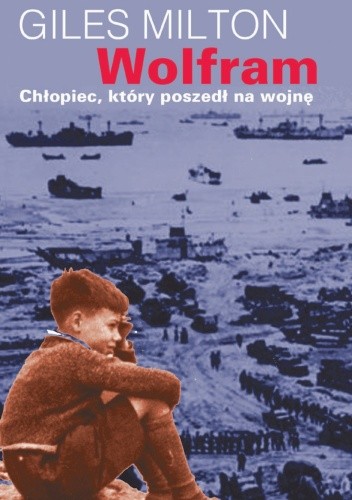
(14)

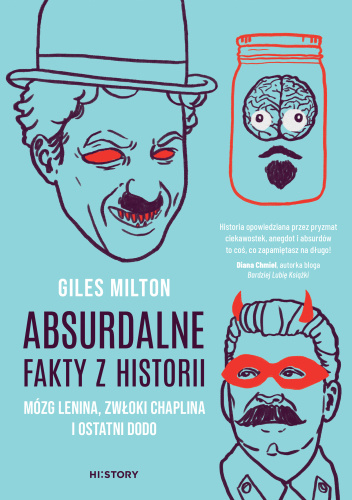
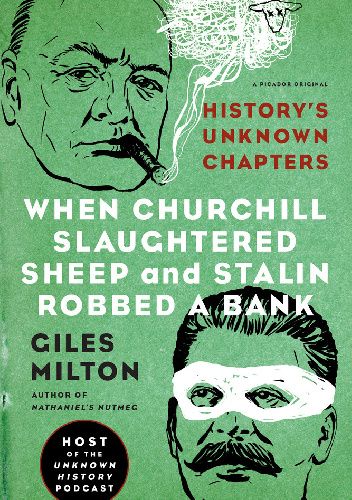
Opinie czytelników
Oceń tę książkę
Kiedy przeczytana?
Oceniona książka trafi na półkę Przeczytane.
Dodaj „Paradise Lost: Smyrna 1922 - The Destruction of a Christian City in the Islamic World" do swojej półki
Załóż darmowe konto i miej swoje lektury, oceny oraz postępy w jednym miejscu. Dołącz do grona zadowolonych czytelników, którzy już wiedzą, co przeczytali i co chcą przeczytać.
Trzy półki czytelnicze
Przeczytane, Teraz czytam i Chcę przeczytać. Uporządkuj swoje książki w sekundy.
Oceny i recenzje
Skala 1-10, prywatne notatki, ulubione cytaty. Wracaj do swoich opinii kiedy chcesz.
Statystyki i wyzwania
Ustal roczny cel czytelniczy i obserwuj jak rośnie liczba przeczytanych stron.
Rekomendacje i grafiki
Odkrywaj kolejne tytuły i generuj estetyczne podsumowania roku w książkach.