
In 1914, Europe plunged into the 20th century’s first terrible act of self-immolation – what was then called The Great War. On the eve of its centenary, Max Hastings seeks to explain both how the conflict came about and what befell millions of men and women during the first months of strife. He finds the evidence overwhelming, that Austria and Germany must accept principal blame for the outbreak. While what followed was a vast tragedy, he argues passionately against the ‘poets’ view’, that the war was not worth winning. It was vital to the freedom of Europe, he says, that the Kaiser’s Germany should be defeated. In 1914, Europe plunged into the 20th century’s first terrible act of self-immolation - what was then called The Great War. On the eve of its centenary, Max Hastings seeks to explain both how the conflict came about and what befell millions of men and women during the first months of strife. He finds the evidence overwhelming, that Austria and Germany must accept principal blame for the outbreak. While what followed was a vast tragedy, he argues passionately against the poets’ view’, that the war was not worth winning. It was vital to the freedom of Europe, he says, that the Kaiser’s Germany should be defeated. His narrative of the early battles will astonish those whose images of the war are simply of mud, wire, trenches and steel helmets. Hastings describes how the French Army marched into action amid virgin rural landscapes, in uniforms of red and blue, led by mounted officers, with flags flying and bands playing. The bloodiest day of the entire Western war fell on 22 August 1914, when the French lost 27,000 dead. Four days later, at Le Cateau the British fought an extraordinary action against the oncoming Germans, one of the last of its kind in history. In October, at terrible cost they held the allied line against massive German assaults in the first battle of Ypres.The author also describes the brutal struggles in Serbia, East Prussia and Galicia, where by Christmas the Germans, Austrians, Russians and Serbs had inflicted on each other three million casualties. This book offers answers to the huge and fascinating question what happened to Europe in 1914?’, through Max Hastings’s accustomed blend of top-down and bottom-up accounts from a multitude of statesmen and generals, peasants, housewives and private soldiers of seven nations. His narrative pricks myths and offers some striking and controversial judgements. For a host of readers gripped by the author’s last international best-seller All Hell Let Loose’, this will seem a worthy successor.
Klimat książki
Głęboka, analityczna analiza przyczyn i przebiegu wybuchu pierwszej wojny światowej, łącząca perspektywę polityczną z losem zwykłych ludzi.
W skrócie
- Skłania do myślenia
- Mroczny klimat
- Dużo napięcia
- umiarkowane tempo
Tropy
- perspektywa wielkiej historii
- losy zwykłych ludzi
- analiza przyczyn konfliktu
Trudne tematy: śmierć, przemoc
Szczegóły
- Data wydania
- 8 maja 2014
- Liczba stron
- 628 str.
- Wydawnictwo
- William Collins Sons & Co Ltd
- Język
- angielski
- Format
- papier
- Gatunek
- powieść historyczna
- ISBN
- 9780007519743
Inne książki autora
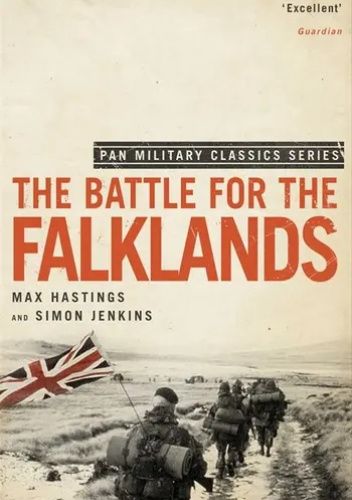
(15)
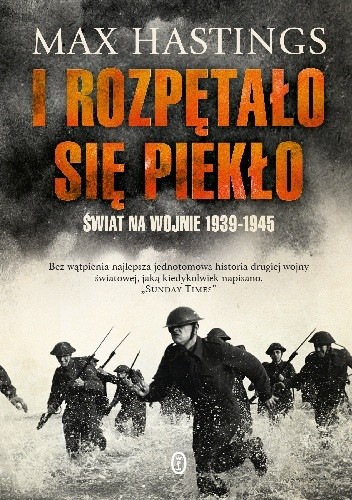
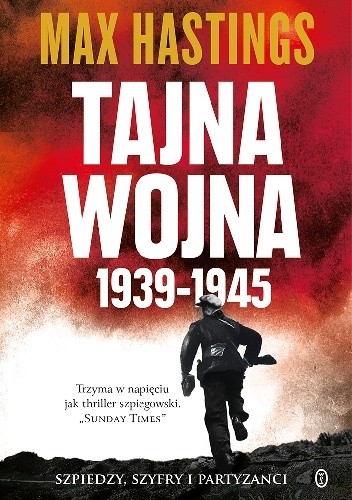
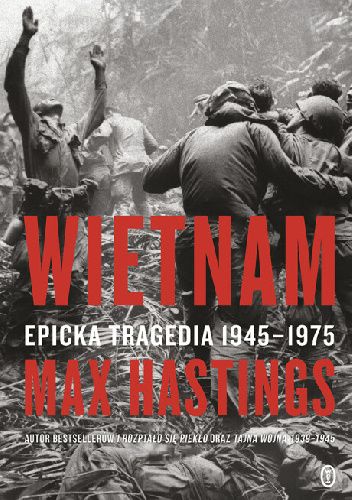

Opinie czytelników
Oceń tę książkę
Kiedy przeczytana?
Oceniona książka trafi na półkę Przeczytane.
Dodaj „Catastrophe: Europe Goes to War 1914" do swojej półki
Załóż darmowe konto i miej swoje lektury, oceny oraz postępy w jednym miejscu. Dołącz do grona zadowolonych czytelników, którzy już wiedzą, co przeczytali i co chcą przeczytać.
Trzy półki czytelnicze
Przeczytane, Teraz czytam i Chcę przeczytać. Uporządkuj swoje książki w sekundy.
Oceny i recenzje
Skala 1-10, prywatne notatki, ulubione cytaty. Wracaj do swoich opinii kiedy chcesz.
Statystyki i wyzwania
Ustal roczny cel czytelniczy i obserwuj jak rośnie liczba przeczytanych stron.
Rekomendacje i grafiki
Odkrywaj kolejne tytuły i generuj estetyczne podsumowania roku w książkach.