
Governments today in both Europe and the United States have succeeded in casting government spending as reckless wastefulness that has made the economy worse. In contrast, they have advanced a policy of draconian budget cuts--austerity--to solve the financial crisis. We are told that we have all lived beyond our means and now need to tighten our belts. This view conveniently forgets where all that debt came from. Not from an orgy of government spending, but as the direct result of bailing out, recapitalizing, and adding liquidity to the broken banking system. Through these actions private debt was rechristened as government debt while those responsible for generating it walked away scot free, placing the blame on the state, and the burden on the taxpayer. That burden now takes the form of a global turn to austerity, the policy of reducing domestic wages and prices to restore competitiveness and balance the budget. The problem, according to political economist Mark Blyth, is that austerity is a very dangerous idea. First of all, it doesn't work. As the past four years and countless historical examples from the last 100 years show, while it makes sense for any one state to try and cut its way to growth, it simply cannot work when all states try it simultaneously: all we do is shrink the economy. In the worst case, austerity policies worsened the Great Depression and created the conditions for seizures of power by the forces responsible for the Second World War: the Nazis and the Japanese military establishment. As Blyth amply demonstrates, the arguments for austerity are tenuous and the evidence thin. Rather than expanding growth and opportunity, the repeated revival of this dead economic idea has almost always led to low growth along with increases in wealth and income inequality. Austerity demolishes the conventional wisdom, marshaling an army of facts to demand that we recognize austerity for what it is, and what it costs us.
Szczegóły
- Rok wydania
- 2013
- Liczba stron
- 290 str.
- Wydawnictwo
- Oxford University Press
- Język
- angielski
- Format
- papier
- Gatunek
- biznes, finanse
Najczęstsze pytania o książkę
- Ile stron ma „Austerity: The History of a Dangerous Idea”?
- „Austerity: The History of a Dangerous Idea” ma 290 stron (wydanie: Oxford University Press, 2013). Inne wydania mogą się różnić liczbą stron.
- Ile czasu zajmuje przeczytanie książki „Austerity: The History of a Dangerous Idea”?
- Przy średnim tempie 35 stron na godzinę lektura zajmie około 8 godz.. Czytając 30 minut dziennie, skończysz w 17 dni.
- Kto napisał książkę „Austerity: The History of a Dangerous Idea”?
- „Austerity: The History of a Dangerous Idea” to książka autorstwa Mark Blyth.
Inne książki autora
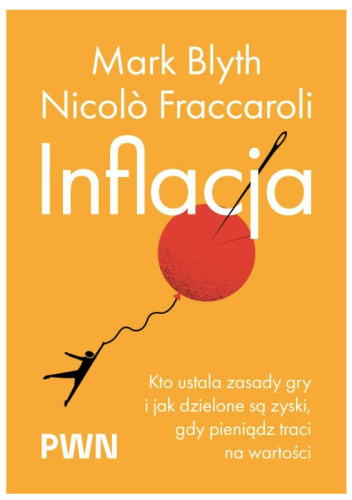
(2)
Opinie czytelników
Oceń tę książkę
Kiedy przeczytana?
Oceniona książka trafi na półkę Przeczytane.
Dodaj „Austerity: The History of a Dangerous Idea" do swojej półki
Załóż darmowe konto i miej swoje lektury, oceny oraz postępy w jednym miejscu. Dołącz do grona zadowolonych czytelników, którzy już wiedzą, co przeczytali i co chcą przeczytać.
Trzy półki czytelnicze
Przeczytane, Teraz czytam i Chcę przeczytać. Uporządkuj swoje książki w sekundy.
Oceny i recenzje
Skala 1-10, prywatne notatki, ulubione cytaty. Wracaj do swoich opinii kiedy chcesz.
Statystyki i wyzwania
Ustal roczny cel czytelniczy i obserwuj jak rośnie liczba przeczytanych stron.
Rekomendacje i grafiki
Odkrywaj kolejne tytuły i generuj estetyczne podsumowania roku w książkach.