
The writings that make up the New Testament stand at the very foundation of Christianity. But while Matthew, Mark, Luke, John, and the other books of the New Testament are known to almost everyone, the writings that Christians produced in the decades that followed these earliest compositions remain shrouded in virtual anonymity. Who were the Apostolic Fathers? Why were they given that name? And what windows into the shaping of Christianity's canon, church hierarchy, and creed are opened for us with an understanding of works that include the letters of 1 Clement or Ignatius, the Didache of the Apostles, or the Letter to Diognetus? These 24 lectures introduce what is considered the most important collection of post-New Testament writings. Although largely unknown and unread, these writings provide a treasure trove of insights into Christianity, and they are crucial to understanding the development of a religion that was shaped largely outside the pages of the New Testament itself. From the struggle for power and the beginnings of church hierarchy to electrifying 19th-century discoveries, this course is an extremely useful addition to the shelves of anyone who is fascinated by the history of ancient Christianity and its evolution into the dominant religion it is today.
Szczegóły
- Rok wydania
- 2005
- Wydawnictwo
- The Great Courses
- Język
- angielski
- Format
- audiobook
- Gatunek
- historia
- ISBN
- 1490659404
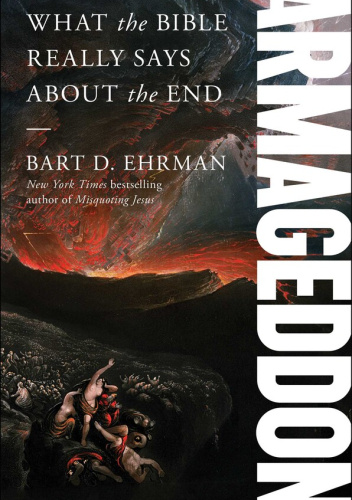
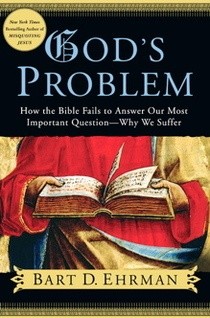
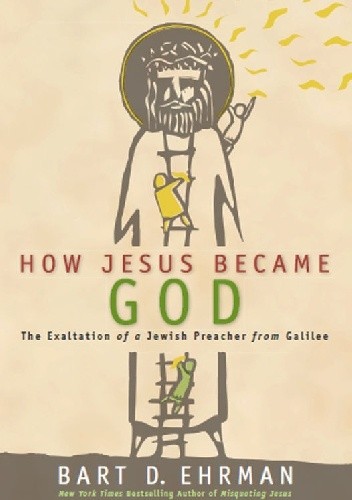
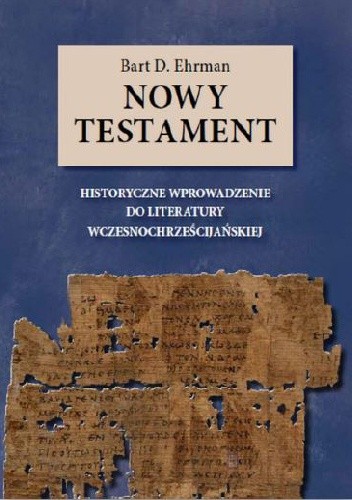
Inne książki autora
(27)

Opinie czytelników
Oceń tę książkę
Kiedy przeczytana?
Oceniona książka trafi na półkę Przeczytane.
Dodaj „After the New Testament: The Writings of the Apostolic Fathers" do swojej półki
Załóż darmowe konto i miej swoje lektury, oceny oraz postępy w jednym miejscu. Dołącz do grona zadowolonych czytelników, którzy już wiedzą, co przeczytali i co chcą przeczytać.
Trzy półki czytelnicze
Przeczytane, Teraz czytam i Chcę przeczytać. Uporządkuj swoje książki w sekundy.
Oceny i recenzje
Skala 1-10, prywatne notatki, ulubione cytaty. Wracaj do swoich opinii kiedy chcesz.
Statystyki i wyzwania
Ustal roczny cel czytelniczy i obserwuj jak rośnie liczba przeczytanych stron.
Rekomendacje i grafiki
Odkrywaj kolejne tytuły i generuj estetyczne podsumowania roku w książkach.